The Olonini Primary School
On our way from the Masai Mara back to Nairobi we stopped at the Olonini Primary School, which is supported by GIVE International. Since we had to get to the airport, it was only a short stop, but it still made an impression on all of us.
They have 270 students of which 110 are Masai children. Most of the children (grades 1-8) walk over an hour to get to the school each morning. Compare this to getting picked up at the end of the driveway like most children in the US.
These children are very serious about their education and wanted to show off their schoolbooks and blackboard.
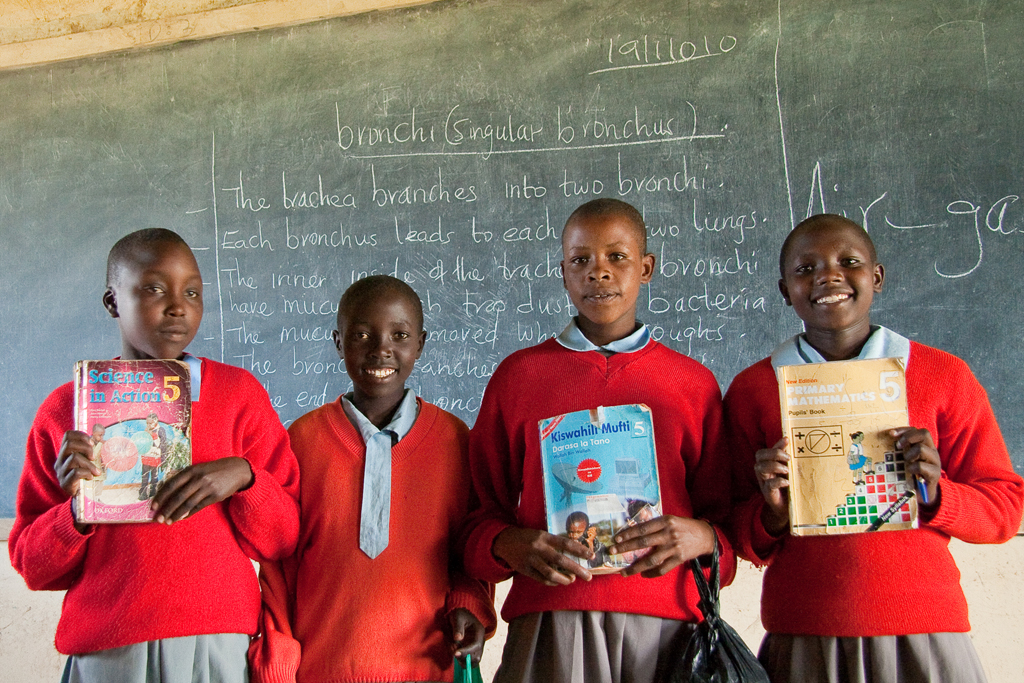
GIVE International has cemented the classroom floors, added new blackboards, and financed the construction of a kitchen where the children can get their hot lunches. These hot lunches are obviously nothing like school lunches here. Extremely basic – when we visited it was a bowl of corn – but the kids absolutely loved it.

Next, they will be adding two new classrooms (Grade 7,8). If you would like to get involved, you can make donations online:
http://www.canadahelps.org/CharityProfilePage.aspx?CharityID=s88975
… and designate the funds to the “Olonini Primary School”
So here is my suggestion: with Valentine’s day just around the corner, why don’t you share the love. Give your loved one just one rose instead of a dozen and use the remaining money to make a donation to GIVE International (of course after explaining to your sweetheart what happened to the other 11). 40 Dollars are not a lot for one person, but if only 100 people do this it would add a new classroom. Flowers will not last very long. This way your money will go a lot further! So, go ahead, share the love!
Smile
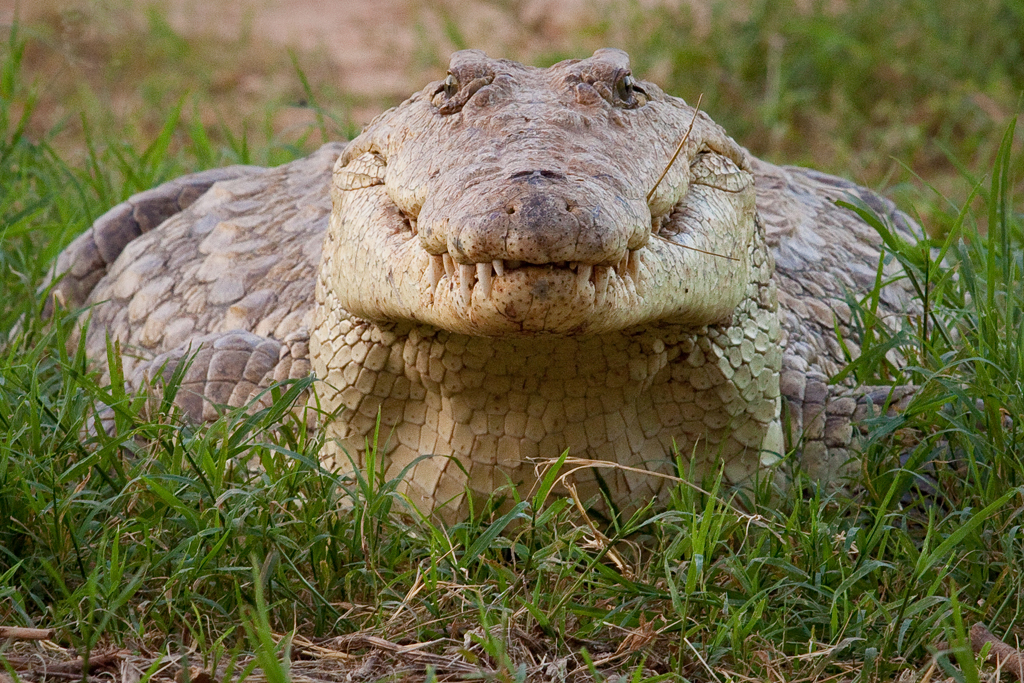
When photographing wildlife it is important to remember that you will get a more compelling image if you get down to eye level with your subject – no matter what it may be …
even if it offers you a smile like this…
The People experience
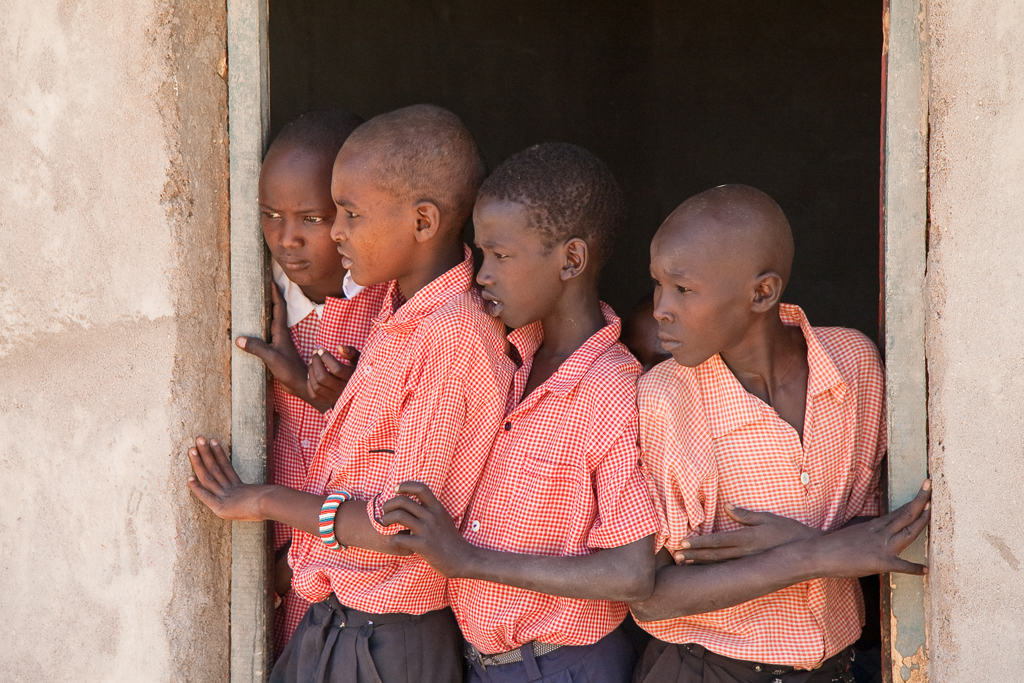
I do not have experience photographing people. So far I have been focusing on nature photography. I admit I am shy and the mere thought of walking up to some complete stranger in the hope of taking their photograph turns my stomach into a knot. I had mentioned this to David duChemin and to my big surprise he told me that he was quite familiar with that feeling. Contrary to me, however, he seems to have completely mastered overcoming it. So there might be hope! What helped on this trip was the openness of the people, especially the children. They wanted to get photographed so badly, that on several occasions it was almost impossible to get enough distance to get a picture. My camera almost got ripped out of my hands a few times in their excitement over viewing their image on the LCD display. They had fun! Sorting through my pictures now I am trying to figure out why I am more drawn to some images over others. I like detail shots (like the “fire” images) and scenes that do not seem posed. The time we had in the villages and schools was very limited, quite often the kids really wanted to get their picture taken a certain way and there was just a big excitement due to our visit. Huge smiles everywhere! At the Samburu school I was able to walk away from the crowd and managed to catch a candid moment of the children standing in the doorway. (I already posted this image in the “Samburu” part of my blog).
At a Masai village I noticed this girl walking across the grounds. She seemed to be returning from herding goats and was carrying some supplies in the bag over her back. She walked right towards me and obviously saw my camera. I took some pictures of her as she was walking in my direction but the light was bad. Her face was completely in the shade. At the last moment she turned her head, her face ended up having some nice light on it.

I think this is one of my favorite people images. It is far from perfect, but real. In retrospect it would have been good to spend an entire morning at a village or a school. Introduce ourselves, have some fun, let the novelty of our presence wear of a little and then be able to observe and photograph everyday life. It was not in the schedule, but I am sure it would have been possible to arrange. Hindsight is 20/20! Valuable lesson learned.
Small treasures
When you are on a safari it is very easy to get preoccupied with the larger wildlife and the beautiful landscape. This may explain why nobody seemed to be paying any attention to this beautiful weaver bird working on its nest, despite the fact that it was quite easy to spot in one of the camps at the Masai Mara.

The finished product. I must say I am amazed how a bird can construct an intricate nest like this.
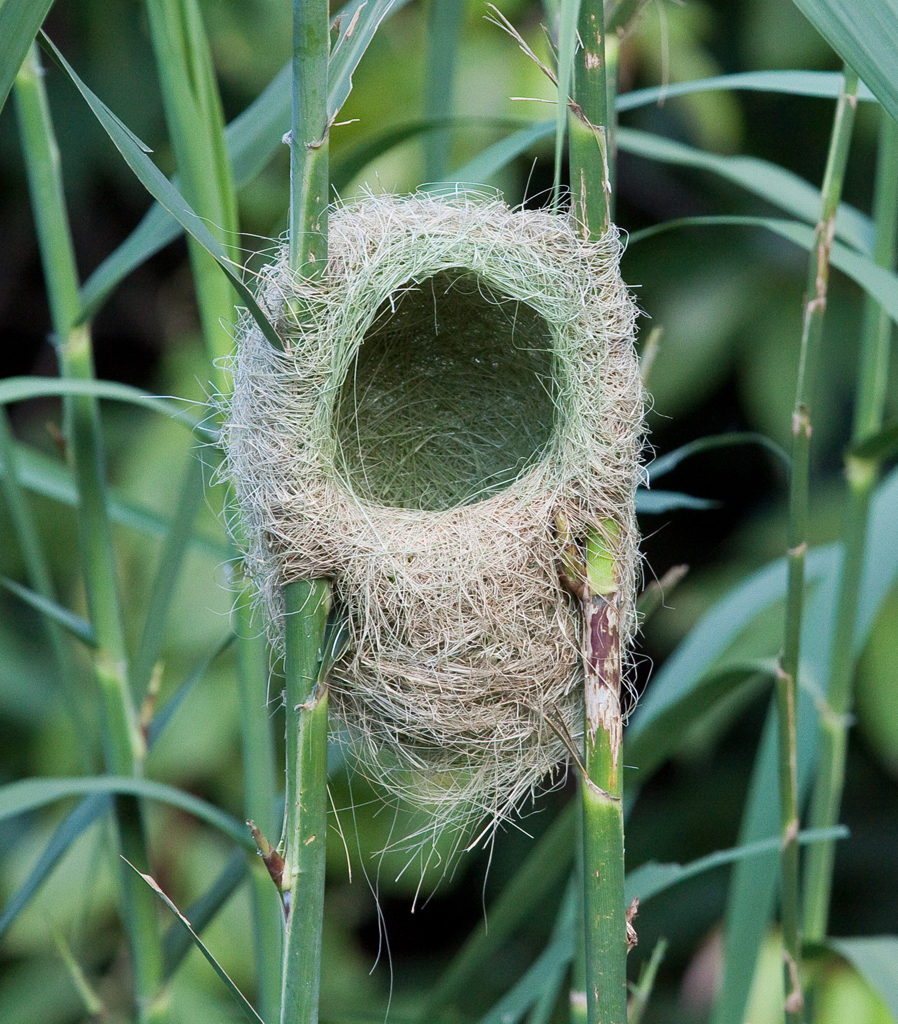
Maybe I am just easily entertained, but I thoroughly enjoyed watching this bird. Sometimes it is the little things that make your day.
Lake Naivasha
Our journey continued to Lake Naivasha, the second largest and highest of the Central Rift Valley lakes. On its shores, Elsamere, the former home of Joy Adamson, best known for the chronicles of her lioness Elsa in “Born Free”. But there was a lot more to Joy Adamson. Besides being very active in wildlife preservation she was also a wonderful artist. She illustrated 7 books relating to East African Flora and was recognized for this work by the Royal Horticultural Society of Great Britain. She painted around 700 pictures of the natives of Kenya. Many of her paintings can now be found in the Nairobi National Museum. It was wonderful to be in her house, having dinner in what used to be her dining room and seeing her paintings on the walls. Hippos will sometimes wonder around the backyard at night and we were warned not to cross through the yard after dinner to get to our rooms. They might not look it, but hippos are actually the most dangerous animal to humans.
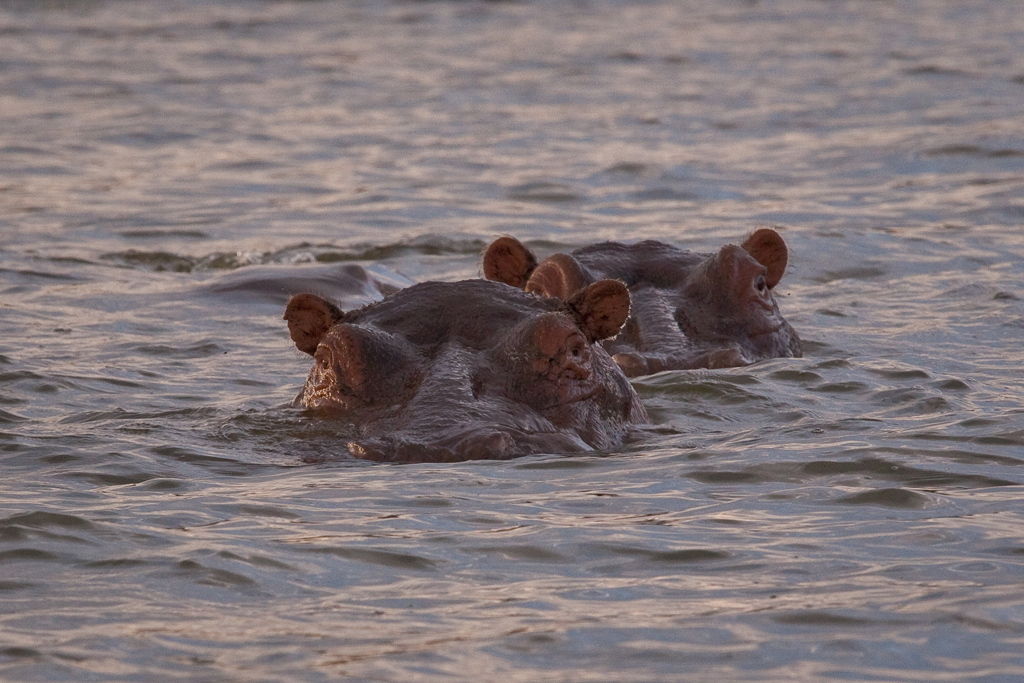
We spent the afternoon on Crescent island which was a short boat ride away across the lake. The local hippo population observed us with watchful eyes.
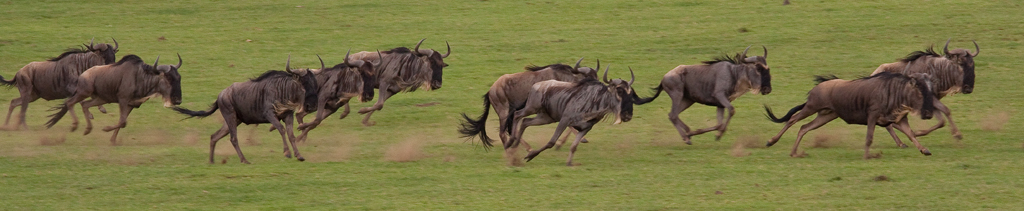
There are no predators on Crescent island, so you are free to walk around. This was a very welcome change to spending so much time in a vehicle. The trip was almost canceled due to the weather, and we were all glad this did not happen. It was wonderful to walk around among the wildlife. Plenty of giraffes, zebras, gazelles and wildebeest. Wildebeest are truly odd looking creatures with even stranger behavior. They seemed to be running around like mad for absolutely no reason whatsoever.
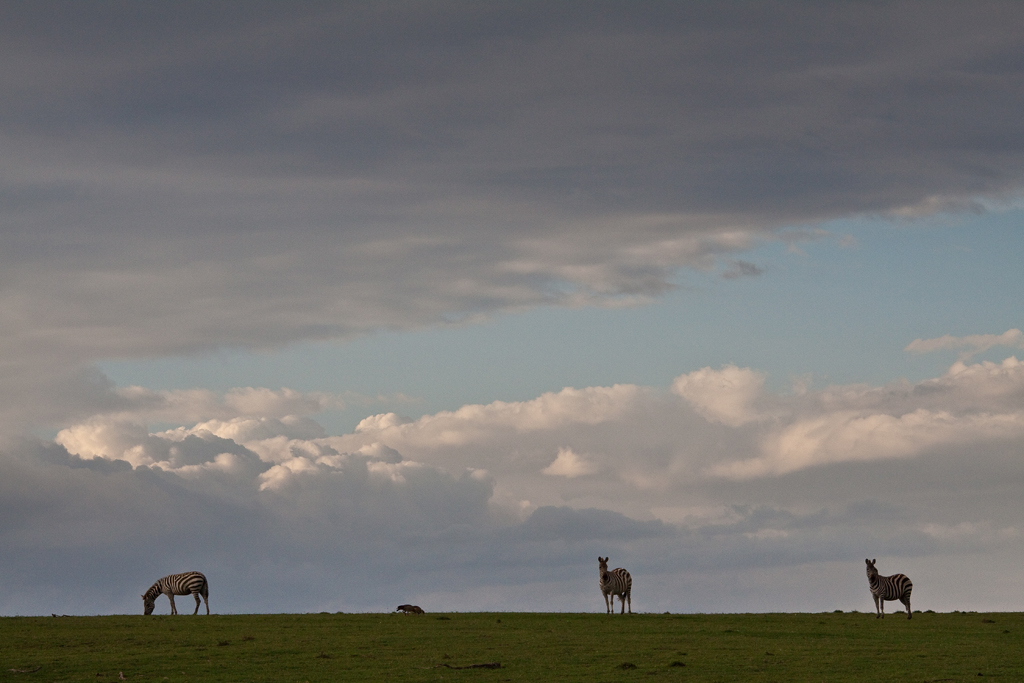
The dramatic sky of the distant storm provided a beautiful backdrop to these zebras standing on one of the hills.
The art of creating fire
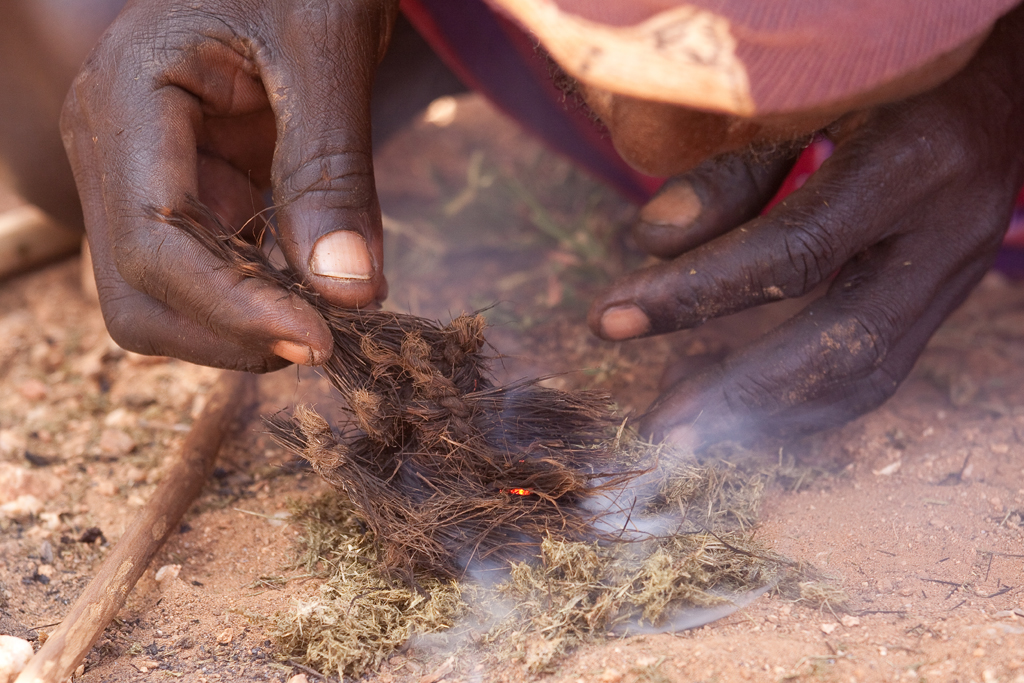
In order for a Samburu boy to pass into manhood, he has to demonstrate the skill of making fire using only the traditional methods. A village elder demonstrated this process to us.
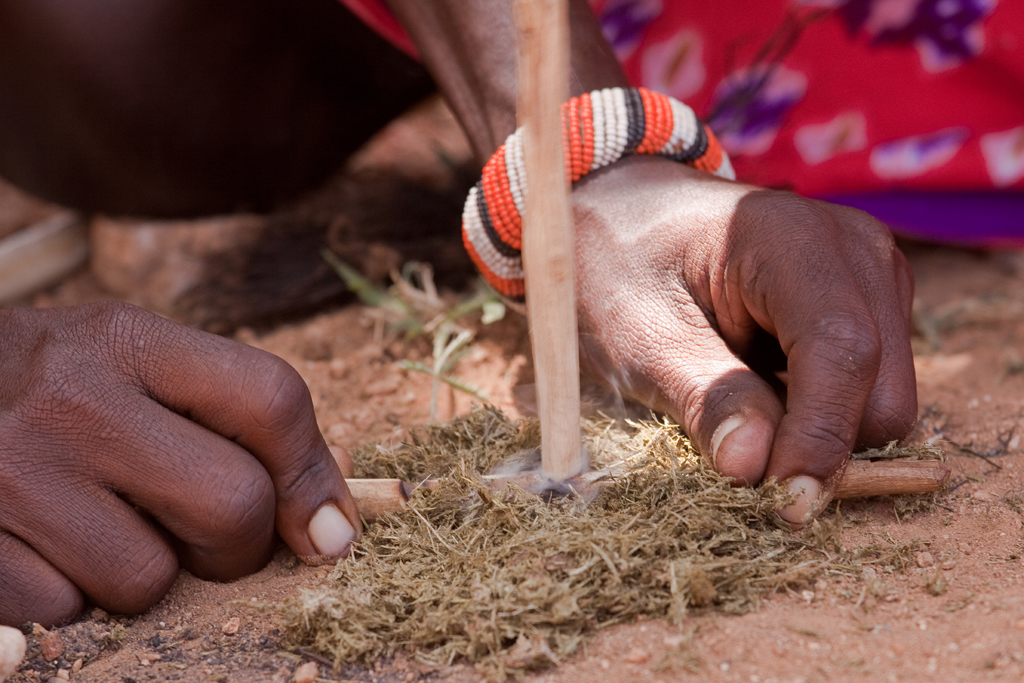
The only tools available are two sticks, some dried moss and a few dry twigs.
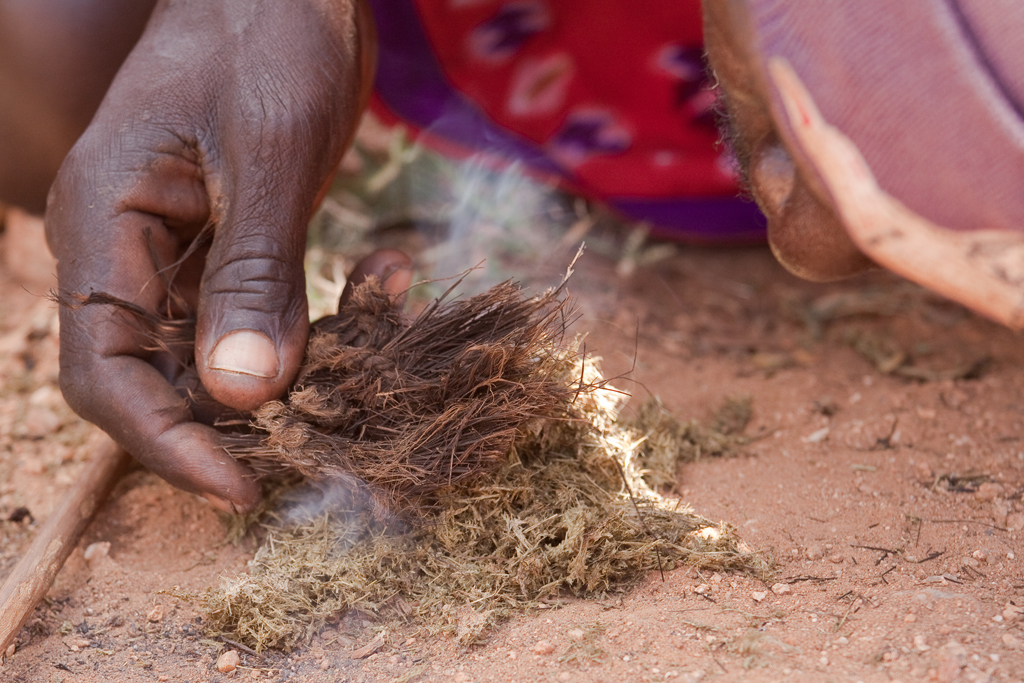
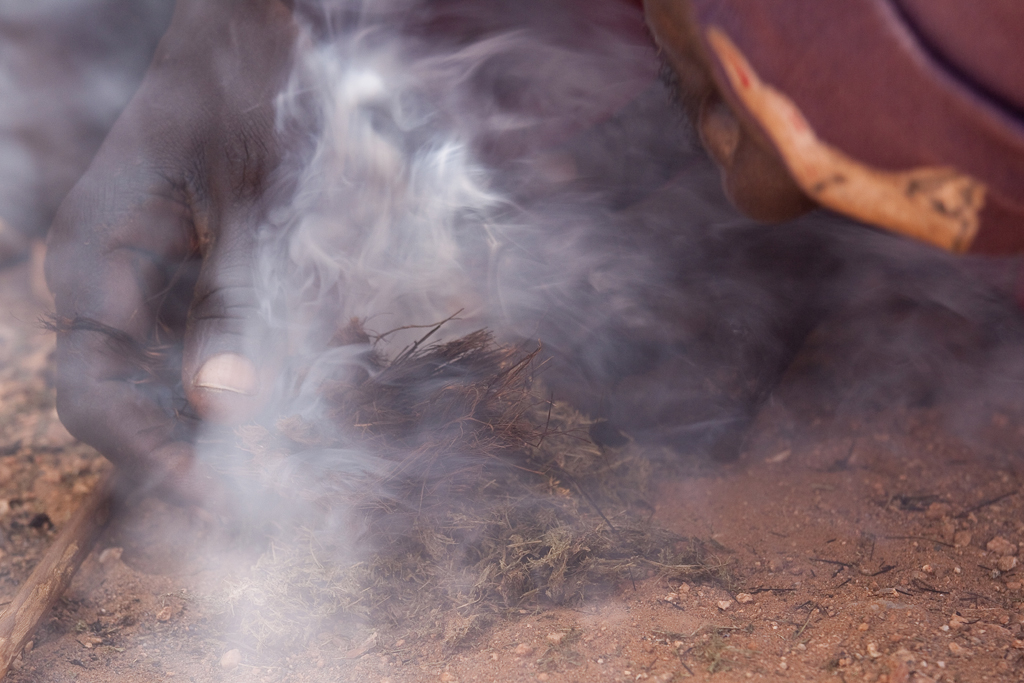
He obviously had a lot of practice, since this whole process happened rather quickly.
Sweetwaters Game Reserve
Heading south from Samburu National Park our next stop was the Sweetwaters Game Reserve, located on the equator. Sweetwaters Game Reserve is a 24.000 acre private ranch and includes a 200 acre Chimpanzee Sanctuary, maintained by the Jane Goodall Institute. Orphaned and abused chimps are rehabilitated here and taught to fend for themselves in an area similar to their natural living conditions.

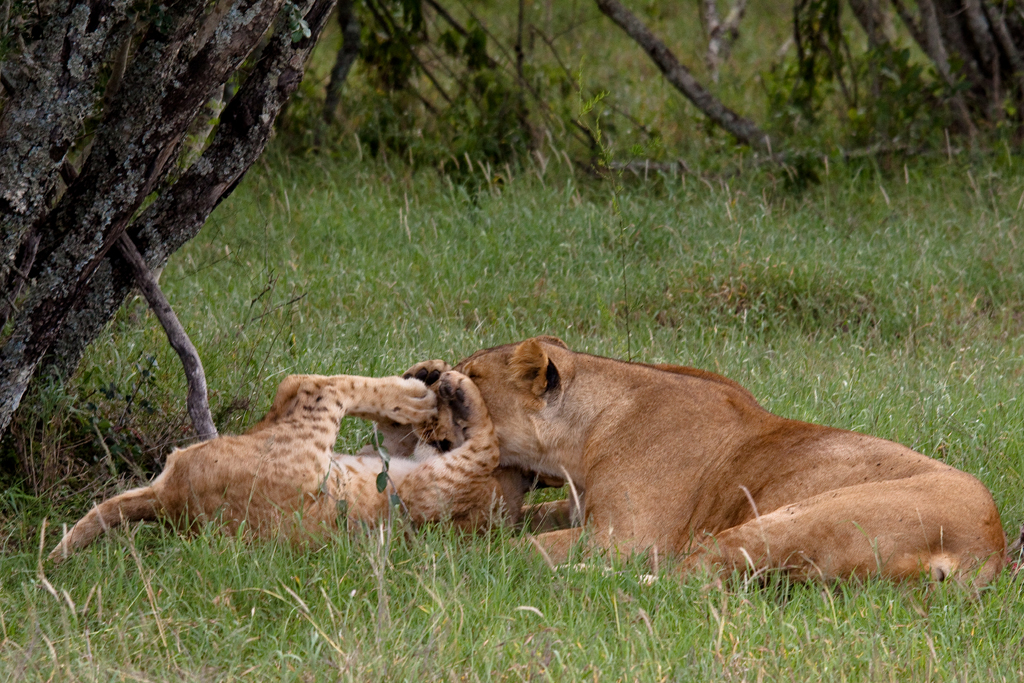
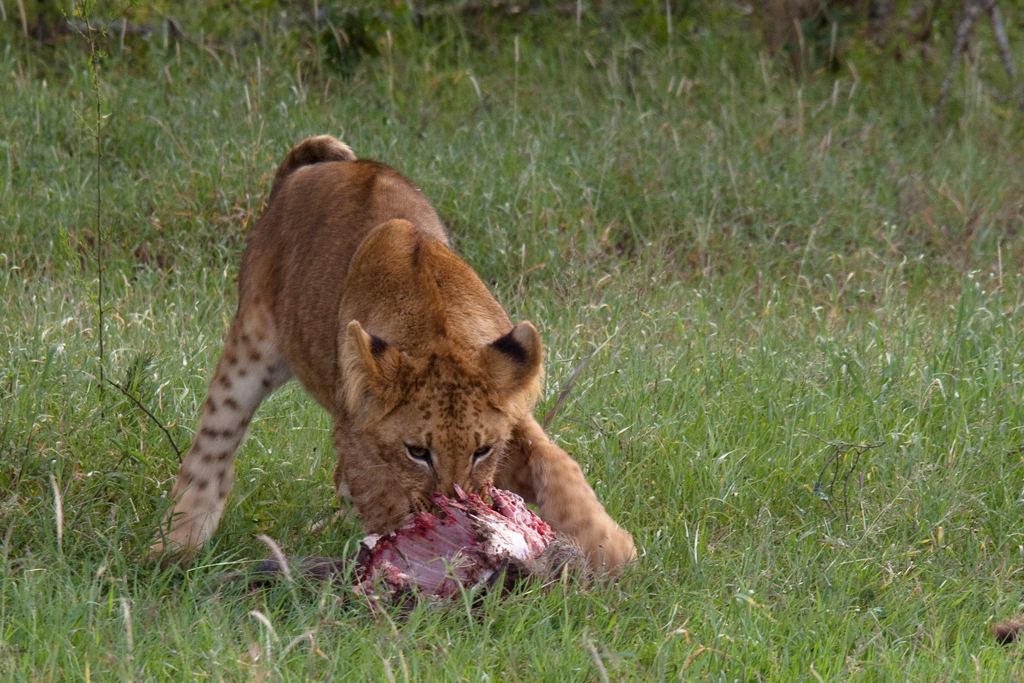
On our game drive we saw a lioness and her two cubs feeding on a kill. Even so the mother seemed to be quite tired, she was extremely patient with the antics of her offspring and we enjoyed watching them for quite a while.
At sunset we were granted a rare view of a distant Mount Kenya in the evening mist.
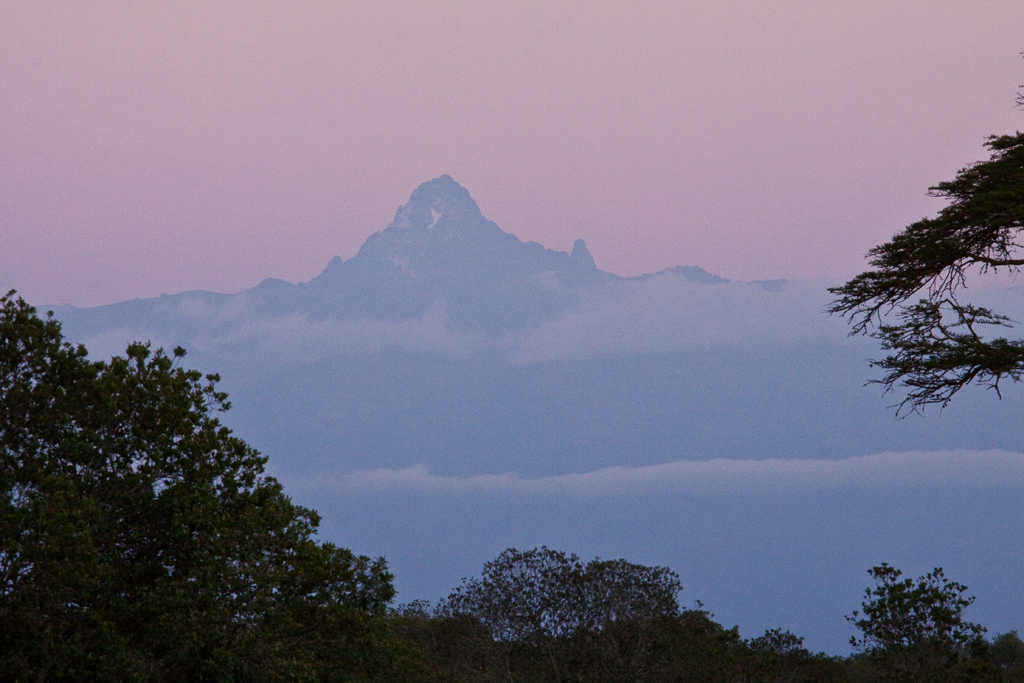
The tented camp was a wonderful place to stay. A floodlit watering hole attracted a wide array of wildlife at all times of the day (and night) and was visible from our tents. The next morning we were greeted by the sun rising behind Mount Kenya.

Samburu National Park
Finally out of the city! Samburu National Park is located about 350 km north of Nairobi. It was an almost 6 hr drive from Nairobi through a varied landscape. We passed through the foothills of Mount Kenya, where everything is lush and green. Quite a few greenhouses in which roses are grown. Leaving the foothills, the semi-arid plains opened up and the last hour of our drive was a rather bumpy and rough ride. A taste of things to come. We checked into our lodge in time for a late lunch and left for our first game drive shortly after. Luck must have been on our side, since we saw a leopard only about an hour into the trip. It was quite the sight!

What a gorgeous animal! And this at the beginning of our trip! Everyone was quite excited. Over the next 1 1/2 days here we were able to spot a lot more wildlife. Another leopard, plenty of elephants and these extremely rare wild dogs.

The African wild dog is a vanishing species. It is estimated that only 3.000 to 5.000 animals still exist. In all his years of coming to Samburu our driver had only seen them three times! Two other species endemic to this area are the reticulated giraffe

and the Grevy’s zebra, the largest of all Zebras.

Passing by the river on the way back to the lodge we came upon these three elephants. I have no idea whether or not they were having a serious argument or if it was just play.

We watched them for quite a while. All of a sudden they just stopped and walked off into the woods as if nothing had happened.

One afternoon we stopped to visit a local Samburu and Turkana village. The drought in recent years is a big issue here and money collected from people visiting this village went towards digging a new well. We finished with a visit to their school where the children were eager to meet us.

They were quite fascinated by the magic trick our guide, Ryan Snider, performed for them.

Later on we had another opportunity to photograph a few Samburu as they were preparing for a dance at our lodge. This young woman was quite beautiful!

Nairobi – Part 2
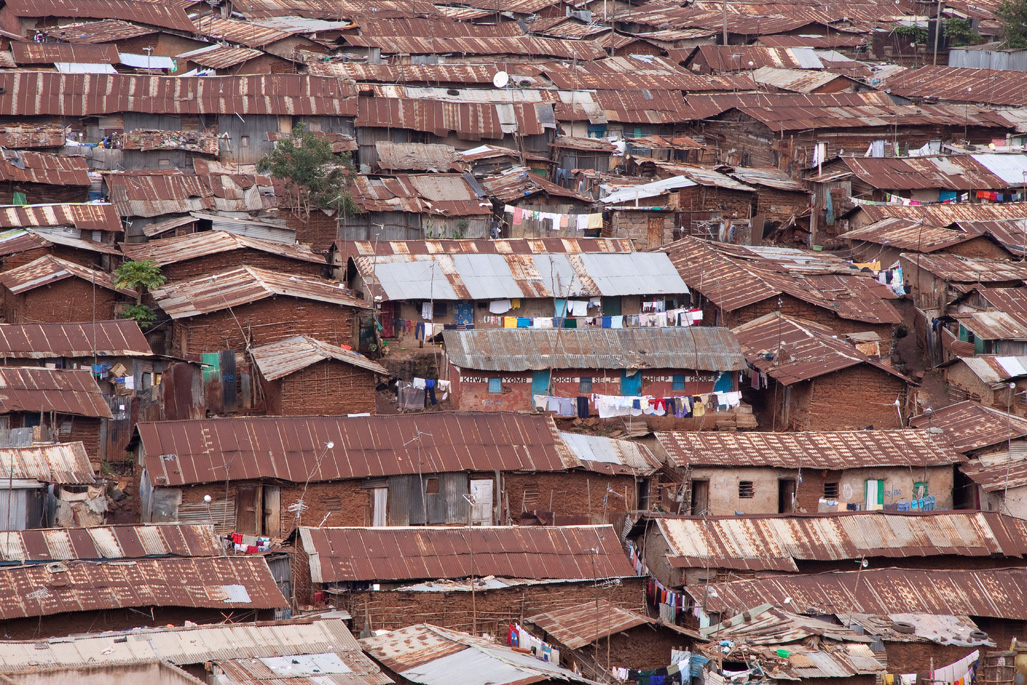
Kibera – the second largest slum in Africa and scene of the violent post-election riots. Roughly 800.000 people live here. Nobody knows the exact number. We were invited here by a group of local photo-journalism students, all still living in Kibera. I admit, I was extremely reluctant to come here. I did not know whether I could take what I was going to see and smell (there is almost no sanitation here) and how I would be received. No matter how much you dress down, you still stick out like a sore thumb. I love nature photography but I had signed up for this particular trip, because I wanted a more complete picture of Kenya, not just a beautiful safari. And this is a large part of reality here. So I pulled myself together and went. Kibera is only about half a mile from the Nairobi Polo Club but yet it is a world away. I could not imagine a bigger contrast. There are just narrow dirt pathways between the houses and what happens during a rain event requires very little imagination. We were invited into the home of one woman who lived in her tiny little place (not much larger than the bed) with 13 children, mostly orphans she had taken in. One beautiful 8 year old girl was HIV positive. Quite heart-breaking. What made this whole experience bearable was the resiliance of the people and the smiles of children that constantly greeted us with “how are you”. There are small businesses all over the place, some of which Ryan’s organisation “Give International” is supporting, including a school. Just having a black board in a school, a cement floor or a roof that does not leak are luxury items here. If you are interested in donating to any of the projects in Kenya, Tanzania or Uganda, 100 % of the donations will go directly to a project!
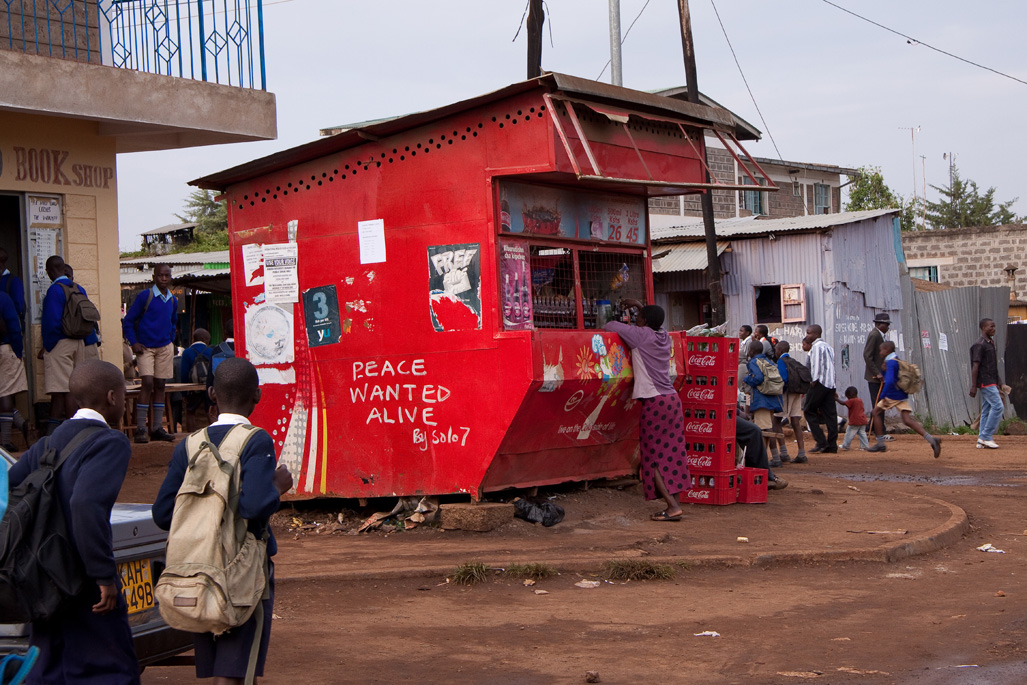
The writing on the booth a reminder of the post-election riots.
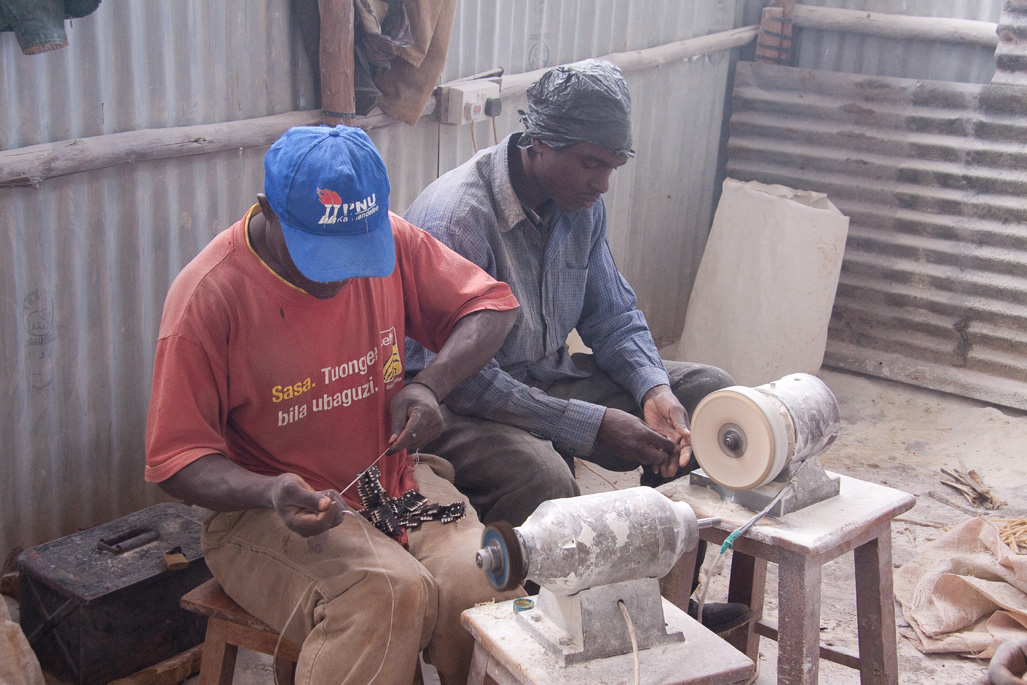
A small business, manufacturing beautiful jewelry out of bone.
After leaving Kibera, we went to an orphanage where 65 children ages 1 – 17 live. Despite having experienced what no child should experience we were greeted with huge (sometimes toothless) smiles.
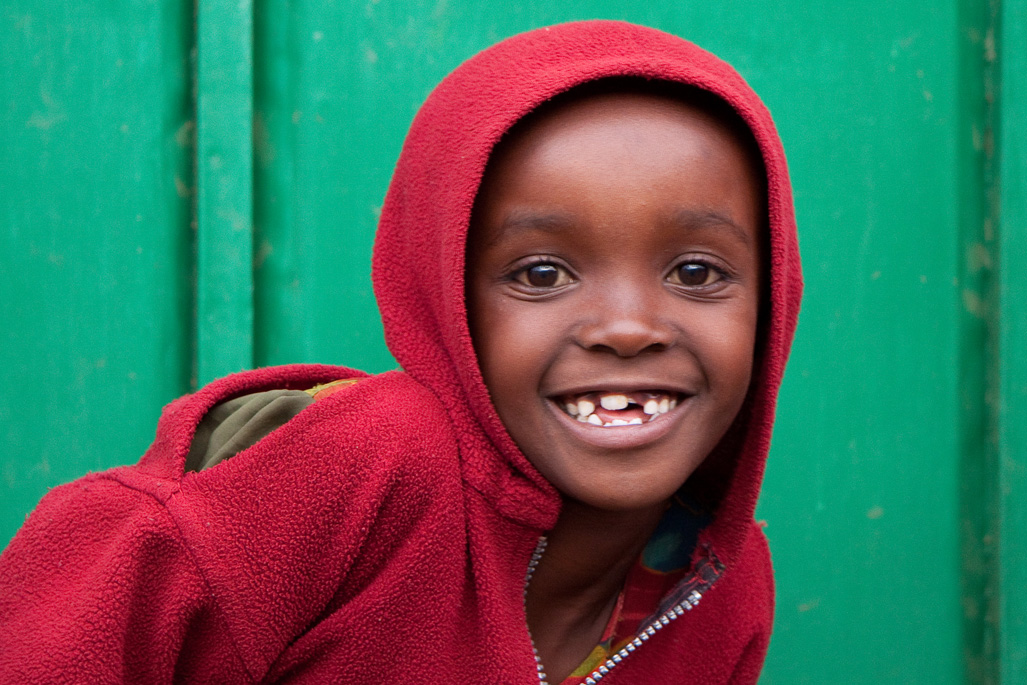
They all sang some beautiful songs for us and afterward a precious little girl grabbed my hand to show me the room she is living in. Everything is nice and clean here, 4 children per room and everyone has their own bed.
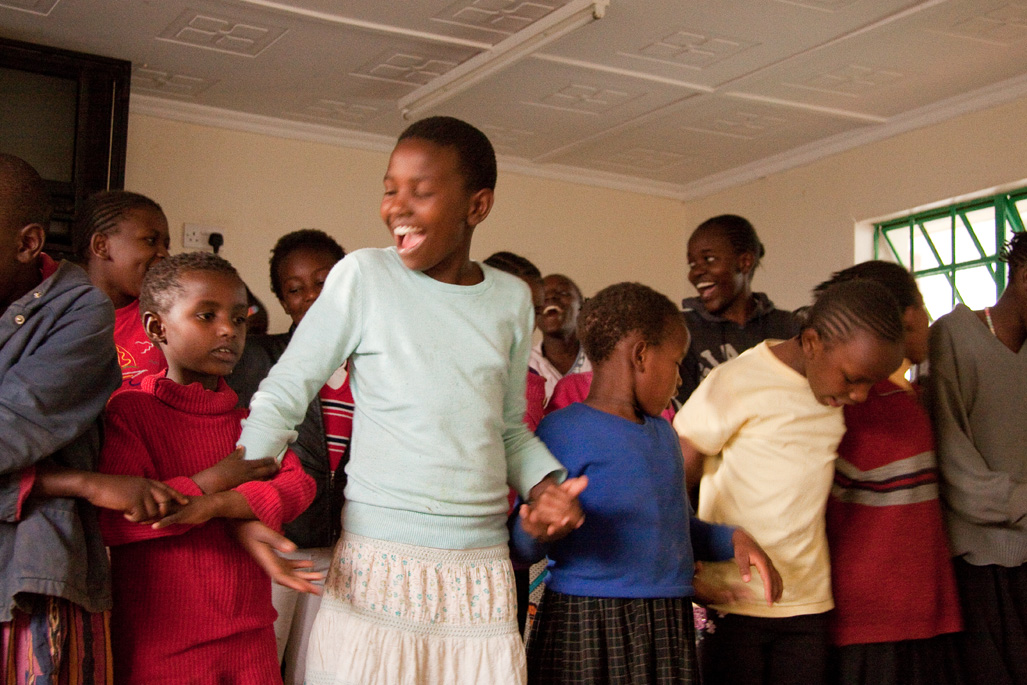
But basic necessities, even food are not always easy to come by. When you ask these children what they would like to be when they grow up, you get the same answer as you would from most children here: doctor, engineer, pilot. They all have their dreams for the future and I hope they will come true.
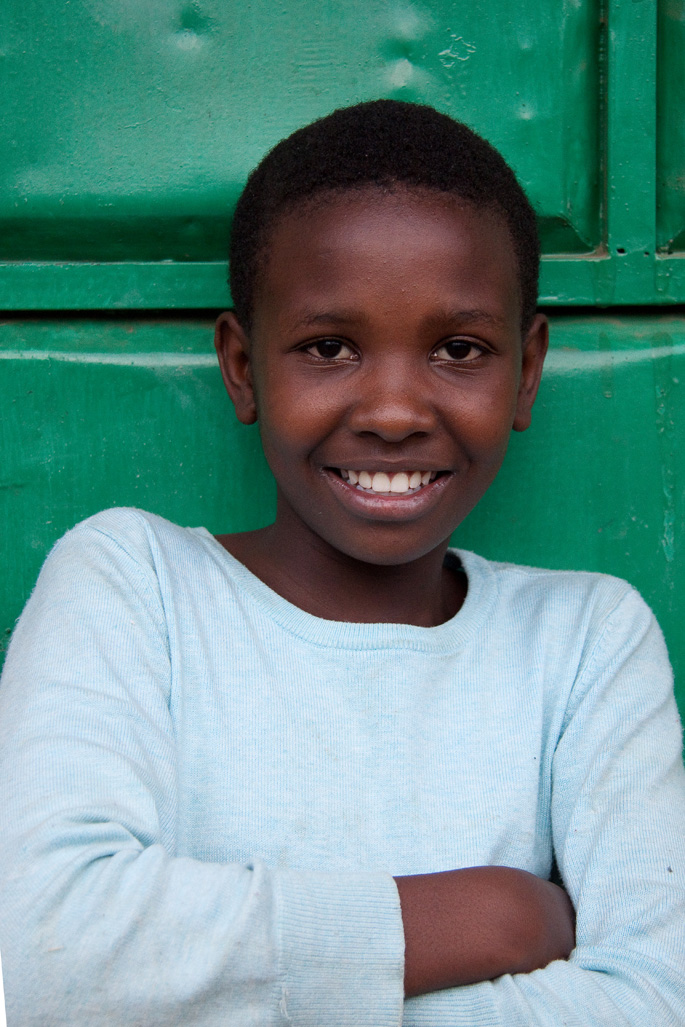
Everyone wanted to get photographed.
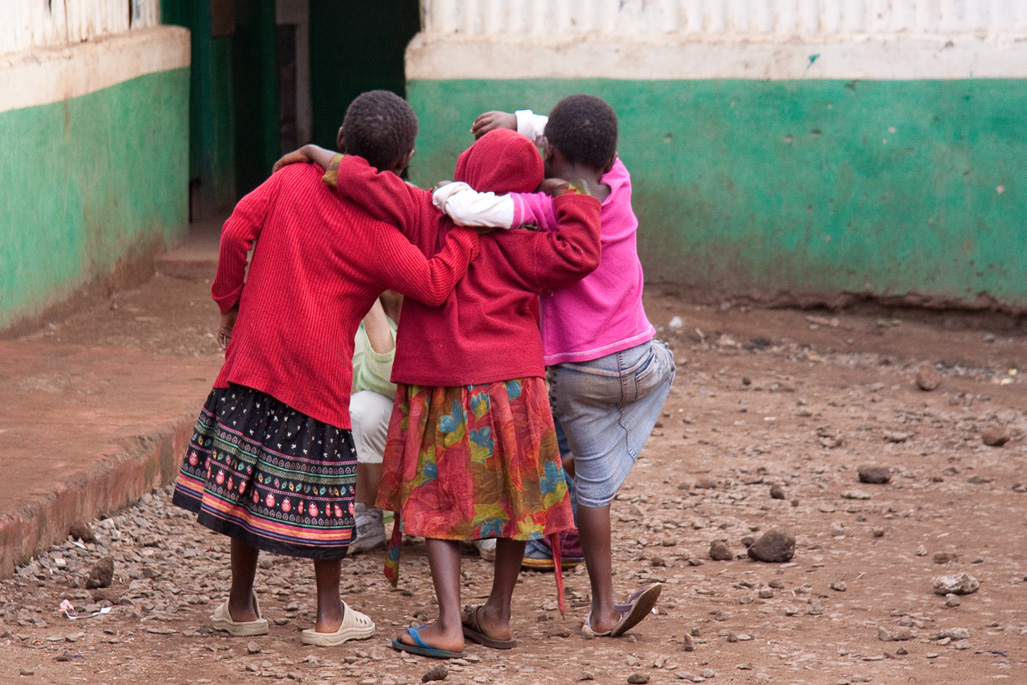
I know everyone was probably expecting wildlife images from my trip (I promise they will follow), but this is a part of Kenya and I think it is important that people know about it and not just the beautiful landscape and wildlife.
Nairobi – Part 1
In Nairobi we visited the Kazuri bead company located on the former Karen Blixen estate. Kazuri means “small and beautiful” in Swahili and these beads are exactly that. The company was formed by Lady Susan Wood to provide employment for women, mostly single mothers. Over 300 women work here now and there is a clinic which provides free health care.

The beads are manufactured out of local clay. Each bead is carefully shaped by hand.

After the initial firing the beads are skillfully decorated by hand.

Some finished beads.
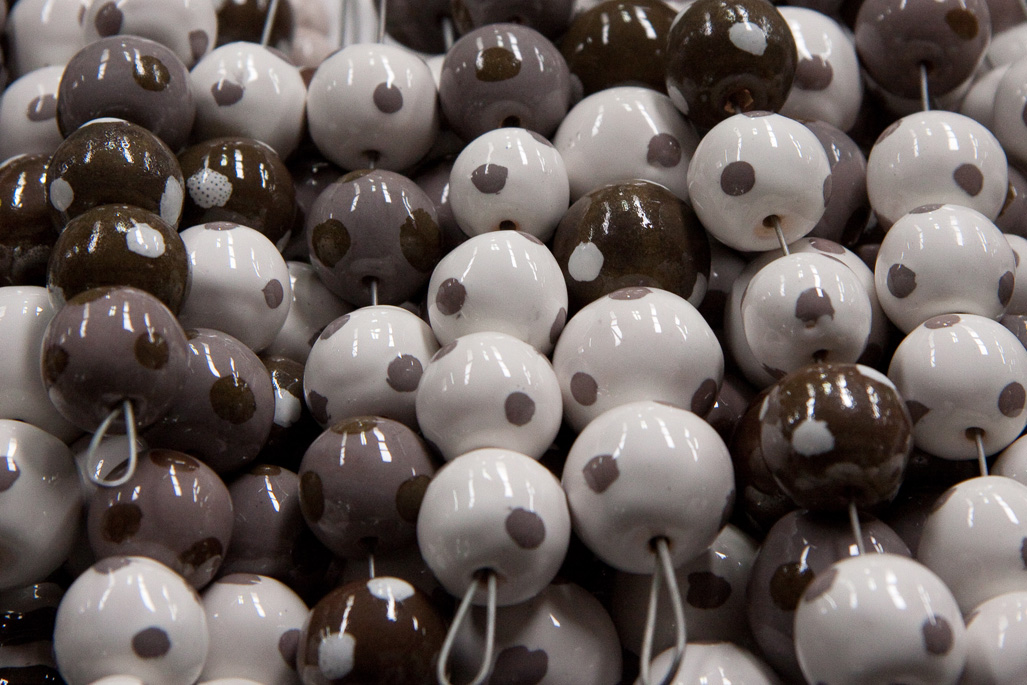
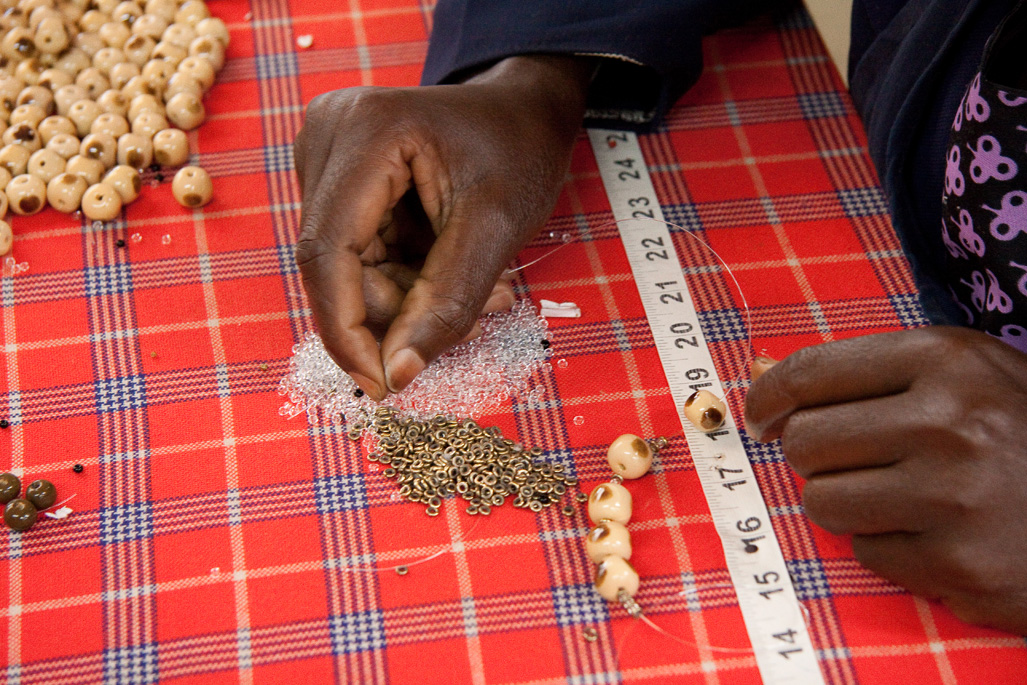
The beads are then strung as necklaces or bracelets.
You can find more information here www.Kazuri.com
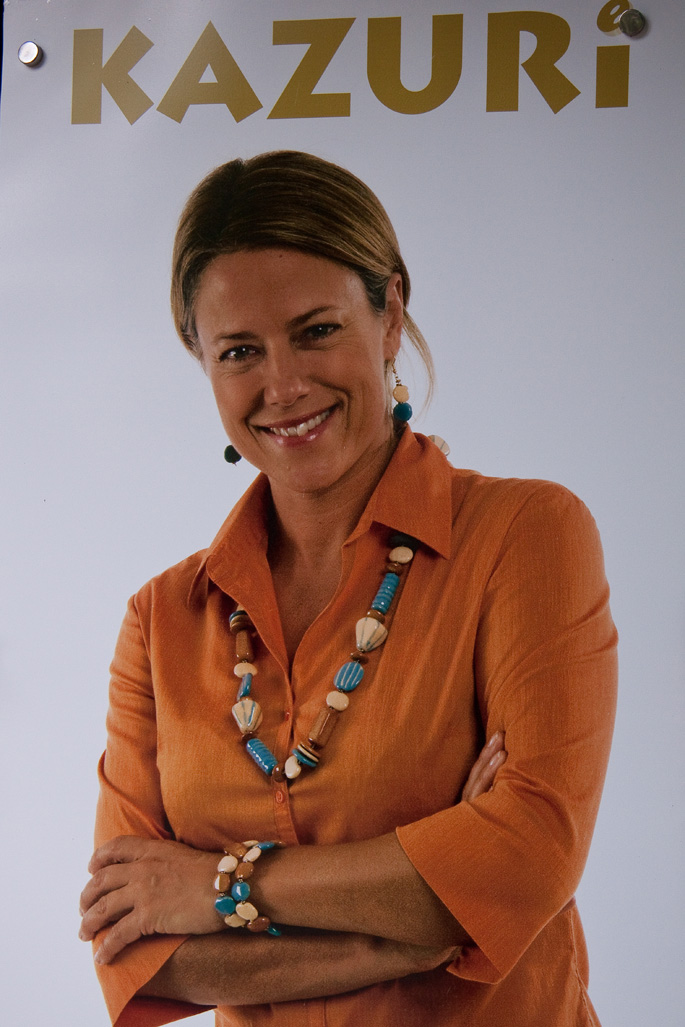
Needless to say, nobody walked out empty handed. Their work is absolutely beautiful!
 Beate Dalbec's Blog